
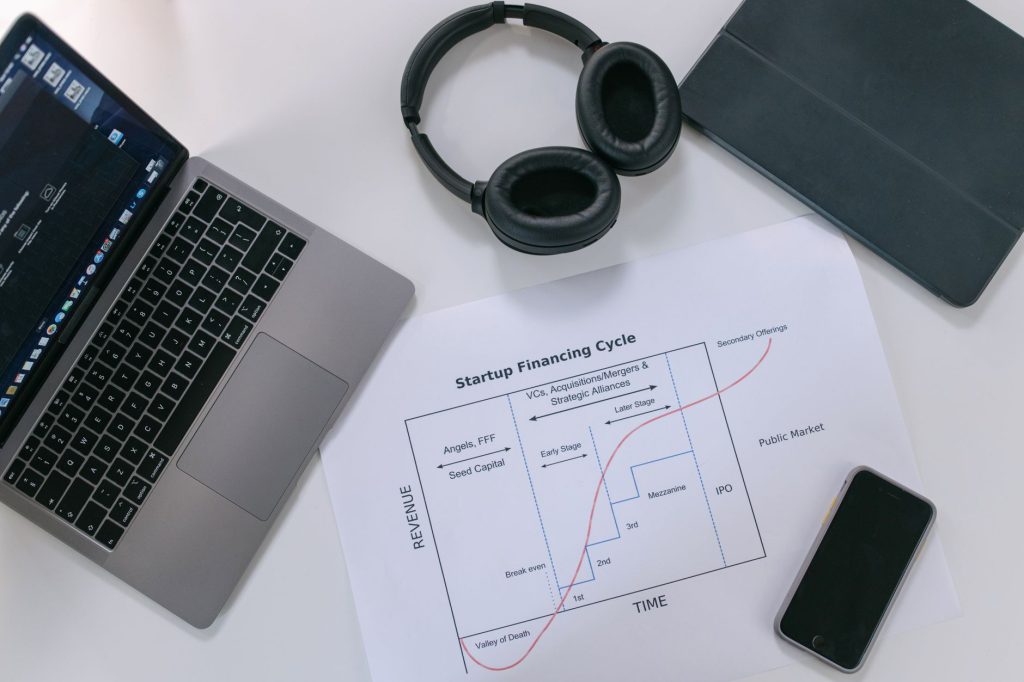
Jio IPO 2026 is generating buzz as it opens on October 21 with a massive Rs 30,213 crore issue. Investors are eager to know more about the price band and lot size.
Overview of Jio IPO 2026
The highly anticipated Jio IPO 2026 is set to open on October 21, with an issue size of Rs 30,213 crore. Investors are keenly watching this initial public offering as it promises significant growth potential in the rapidly expanding telecommunications sector.
The price band for the IPO has been set, and many analysts predict strong demand due to Jio’s robust market position and innovative services. The Jio IPO 2026 offers a unique opportunity for both retail and institutional investors to participate in one of India’s leading digital service providers.
Key details for potential investors include:
- Issue Size: Rs 30,213 crore
- Opening Date: October 21
- Price Band: To be officially announced
- Lot Size: Minimum shares required for investment
With the ongoing digital transformation in India, the Jio IPO 2026 is expected to attract considerable interest, making it one of the most talked-about investment opportunities in recent times. Investors are advised to review the prospectus carefully and consider their investment strategies before participating.
Key Dates for Jio IPO
The Jio IPO 2026 is generating significant excitement among investors, and understanding the key dates associated with its launch is crucial for those looking to participate. Here are the important dates to keep in mind:
- Issue Opening Date: October 21, 2026
- Issue Closing Date: October 25, 2026
- Price Band Announcement: October 18, 2026
- Lot Size: Investors should note the minimum lot size to ensure proper allocation.
- Listing Date: Expected to be on November 2, 2026, pending regulatory approvals.
Investors are advised to stay updated on these dates and review the prospectus for detailed information about the Jio IPO 2026. The Rs 30,213 crore issue is anticipated to attract a lot of attention, given the company’s substantial market position and growth potential.
As the opening date approaches, many are eager to analyze the offering and consider their investment strategies. It is essential to make informed decisions based on the latest developments and market conditions leading up to the Jio IPO.
Understanding the Price Band
Understanding the price band of the Jio IPO 2026 is crucial for potential investors. The price band is the range within which investors can bid for shares during the IPO process. For the upcoming Jio IPO 2026, the price band has been set at a competitive level to attract a wide array of investors.
The price band is primarily determined by various factors, including the company’s financial performance, market conditions, and investor sentiment. In this case, the Jio IPO 2026 is expected to open with a price band that reflects the company’s robust growth and future prospects.
Potential investors should consider the following aspects:
- Current Market Trends: Understanding how similar IPOs have performed in the recent past can provide insights into expected demand.
- Valuation Metrics: Comparing the price band to the company’s earnings and growth forecasts will help gauge its attractiveness.
- Investment Horizon: Determining whether you are looking for short-term gains or long-term investment can influence your decision.
By analyzing these factors, investors can make informed decisions regarding the Jio IPO 2026 and assess whether it represents the best investment opportunity for their portfolios.
Lot Size Explained
The Jio IPO 2026 presents a compelling investment opportunity, and understanding the lot size is crucial for potential investors. The lot size refers to the minimum number of shares an investor must purchase when applying for an IPO.
For the Jio IPO 2026, the lot size has been set to enable a wide range of investors to participate. Here are key details regarding the lot size:
- Minimum Investment: Investors will need to invest in a minimum of one lot, which consists of a specific number of shares.
- Lot Size: The exact number of shares per lot will be disclosed during the initial announcement, but it typically aims to be affordable for retail investors.
- Multiple Lots: Investors can apply for multiple lots, which allows them to increase their investment based on their financial capacity and confidence in the Jio IPO 2026.
- Pricing Impact: The overall cost of investment will depend on the finalized price band and the number of lots an investor chooses to apply for.
Understanding lot sizes helps investors make informed decisions regarding their investment in this major IPO.
Market Expectations for Jio IPO
As the market gears up for the Jio IPO 2026, expectations are high among investors and analysts alike. The telecom sector has witnessed significant transformations in recent years, driven by technological advancements and competitive pricing, making this IPO a focal point for many.
Market analysts project that the Jio IPO could attract substantial interest, given the company’s robust growth trajectory and strong user base. Several factors contribute to this optimism:
- Strong Financial Performance: Jio has consistently reported impressive revenue and subscriber growth, positioning itself as a market leader.
- Strategic Partnerships: Collaborations with global tech giants enhance its service offerings and market reach.
- Future Growth Potential: Expansion into new segments like 5G and digital services indicates promising avenues for revenue generation.
- Market Trends: Increased demand for digital connectivity and services aligns well with Jio’s business model.
However, experts advise potential investors to consider market conditions and their risk appetite before investing. The upcoming Jio IPO 2026 presents a significant opportunity, but thorough research and understanding of the market dynamics are essential for making informed decisions.
Investment Strategies for IPOs
Investing in an IPO can be a lucrative opportunity, but it also comes with its own set of risks. As investors look towards the upcoming Jio IPO 2026, it is essential to adopt effective investment strategies to maximize potential gains.
- Diversification: One key strategy is to diversify your investments. Instead of putting all your funds into the Jio IPO, consider allocating a portion to other sectors. This can help mitigate risks associated with market volatility.
- Research: Conduct thorough research on Jio’s financial health, market position, and growth prospects. Analyzing historical performance and future projections can provide insights into whether this IPO aligns with your investment goals.
- Timing: Consider the timing of your investment. While the Jio IPO 2026 may attract a lot of attention, waiting for market conditions to stabilize can sometimes yield better entry points.
- Long-term vs Short-term: Define your investment horizon. Are you looking for quick gains, or are you willing to hold for the long term? Understanding your own risk tolerance and financial objectives is crucial.
By employing these strategies, investors can enhance their chances of making informed decisions regarding the Jio IPO 2026.
Risks Involved in IPO Investments
Investing in Initial Public Offerings (IPOs) can be an enticing opportunity, but it also comes with its fair share of risks. As the Jio IPO 2026 approaches, potential investors should be aware of the factors that could impact their investment decisions.
- Market Volatility: IPOs are often subject to market fluctuations, which can affect the stock price shortly after listing. A downturn in the market could lead to losses for shareholders.
- Company Performance: The future performance of Jio will play a crucial role in determining the success of its IPO. Factors such as revenue growth, customer acquisition, and competition will significantly impact investor sentiment.
- Regulatory Changes: The telecommunications sector is heavily regulated, and any changes in government policies or regulations can influence Jio’s operations and profitability.
- Investor Sentiment: Overall investor sentiment can fluctuate based on market news, economic indicators, and geopolitical events, potentially impacting the stock’s performance.
- Lack of Historical Data: Being a new public entity, Jio may lack the historical performance data that many investors rely on to make informed decisions.
Understanding these risks is essential for those considering the Jio IPO 2026 as a potential investment opportunity.
Expert Reviews on Jio IPO
Experts in the financial sector are closely analyzing the upcoming Jio IPO 2026 and its potential impact on the market. With a substantial issue size of Rs 30,213 crore, many analysts believe this IPO presents a unique investment opportunity for both retail and institutional investors.
According to financial analyst Ravi Kumar, “The Jio IPO has garnered significant interest due to the company’s robust growth trajectory and its innovative service offerings. The price band is competitive, making it an attractive option for those looking to diversify their portfolios.”
Investment strategist Meera Singh adds, “The Jio brand has established itself as a leader in the telecommunications sector. With the right strategy, the Jio IPO 2026 could yield considerable returns for investors willing to take calculated risks.”
However, some experts urge caution. Market analyst Anand Patel warns, “While the potential for high returns exists, investors should also consider the volatility associated with IPOs. A thorough evaluation of the company’s fundamentals is essential before making any investment decision.”
In summary, the expert reviews on the Jio IPO indicate a mix of optimism and caution, highlighting the importance of informed decision-making in this investment landscape.
Photo by Ivan S on Pexels
