
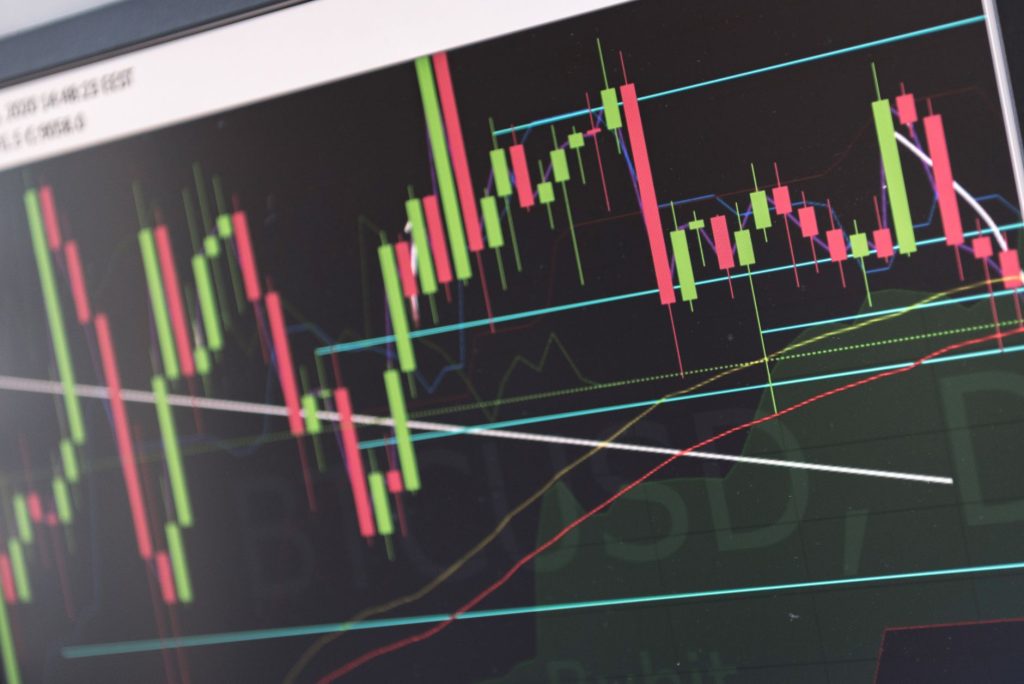
FX fluctuations have become a pressing issue, as Japan’s top currency diplomat, Mimura, highlights the rapid changes affecting the economy.
Understanding FX Fluctuations
FX fluctuations can significantly impact global economies and markets. Recent comments from Japan’s top currency diplomat, Mimura, underscore the urgency for clarity regarding these rapid changes. He emphasized that swift currency movements create uncertainty, complicating international trade and investment decisions.
Understanding the factors that contribute to FX fluctuations is crucial for policymakers and businesses alike. Key components include:
- Economic Indicators: Inflation rates, employment data, and GDP growth can influence currency strength.
- Geopolitical Events: Political stability and international relations play a vital role in currency value.
- Market Sentiment: Traders’ perceptions can lead to swift changes in currency values, reflecting confidence or fear.
As Mimura pointed out, addressing these fluctuations is essential for maintaining economic stability.
Impact of Rapid Currency Changes
The recent statement by Japan’s top currency diplomat, Masato Kanda, highlights the significant impact of rapid currency changes on the economy. FX fluctuations can lead to uncertainty in trade and investment, affecting both domestic and international businesses.
In response to these challenges, Kanda emphasized the need for clearer communication among central banks to mitigate the risks associated with sudden currency shifts. He pointed out that:
- Rapid FX fluctuations can disrupt supply chains.
- Businesses may struggle with pricing stability.
- Exporters face challenges in competitiveness due to unpredictable exchange rates.
Kanda’s call for clarity aims to foster a more stable economic environment, enabling businesses to plan effectively in the face of ongoing FX fluctuations.
Mimura’s Insights on Foreign Exchange
In a recent statement, Japan’s top currency diplomat, Mimura, emphasized the need for greater clarity amid ongoing FX fluctuations. He noted that the rapid changes in foreign exchange rates could pose significant risks to the stability of the economy.
Mimura highlighted several key factors contributing to these swift currency movements:
- Global economic uncertainties impacting investor confidence.
- Monetary policy shifts in major economies altering capital flows.
- Geopolitical tensions creating volatility in market sentiment.
He called for coordinated efforts among international stakeholders to address these challenges, stressing that a stable foreign exchange environment is crucial for sustainable economic growth.
As countries navigate these turbulent waters, Mimura’s insights underline the importance of strategic communication and collaboration in mitigating the effects of FX fluctuations.
Economic Implications of FX Volatility
The economic implications of FX fluctuations are becoming increasingly significant for Japan’s policymakers. Rapid changes in currency value can lead to various challenges for businesses and consumers alike.
Amidst these shifts, companies face uncertainties that can impact their international competitiveness. Some of the key concerns include:
- Cost of imports: A weaker yen can lead to higher prices for imported goods, affecting consumer spending.
- Profit margins: Businesses with overseas operations may see their profit margins squeezed as exchange rates shift.
- Investment decisions: Companies may reconsider foreign investments due to unstable currency conditions.
As Japan’s top diplomat, Mimura emphasizes the need for clarity on these FX fluctuations to foster a stable economic environment for all stakeholders involved.
Japan’s Response to Currency Issues
In response to the recent surge in FX fluctuations, Japan’s top diplomat, Masato Mimura, emphasized the need for clearer communication among nations. He asserted that rapid currency changes can destabilize global markets and affect economic relations.
Mimura called for collaborative efforts to address these challenges, stating that transparency in currency policies is crucial. He noted that unclear guidelines could lead to misunderstandings and further exacerbate volatility.
Japan’s stance reflects a growing concern among policymakers regarding the implications of foreign exchange instability on trade and investment. As nations grapple with the repercussions of rapid FX fluctuations, Japan aims to play a pivotal role in fostering dialogue and developing strategies to mitigate potential risks.
In light of these developments, analysts are closely monitoring how Japan’s approach will influence international currency dynamics moving forward.
The Role of Currency Diplomats
Currency diplomats play a crucial role in navigating the complexities of FX fluctuations. As Japan’s top diplomat, Mimura has emphasized the need for clear communication among nations to mitigate the effects of rapid currency changes. This clarity is essential not only for economic stability but also for fostering trust in international trade.
In recent discussions, key diplomats have highlighted several responsibilities:
- Monitoring Exchange Rates: Keeping a close eye on currency values to identify trends and potential risks.
- Engaging in Dialogue: Facilitating conversations between countries to address concerns related to FX fluctuations.
- Promoting Stability: Advocating for policies that aim to stabilize currencies and reduce volatility.
Ultimately, the role of currency diplomats is vital in ensuring that nations can effectively respond to the challenges posed by FX fluctuations.
Future Outlook for FX Markets
As the global economy continues to react to ongoing geopolitical tensions and shifting monetary policies, the outlook for FX fluctuations remains uncertain. Analysts predict that currency volatility may persist, driven by fluctuating interest rates and inflationary pressures across major economies.
Key factors influencing future FX markets include:
- Central Bank Actions: Decisions regarding interest rates by the Federal Reserve and the Bank of Japan will significantly impact currency movements.
- Geopolitical Events: Heightened tensions in various regions can lead to sudden shifts in investor sentiment, affecting currency pairs.
- Market Sentiment: Traders’ perceptions and reactions to news events will continue to play a crucial role in determining currency values.
With these elements in play, stakeholders are urged to remain vigilant and adaptable to navigate the complexities of FX fluctuations effectively.
Photo by AlphaTradeZone on Pexels
