
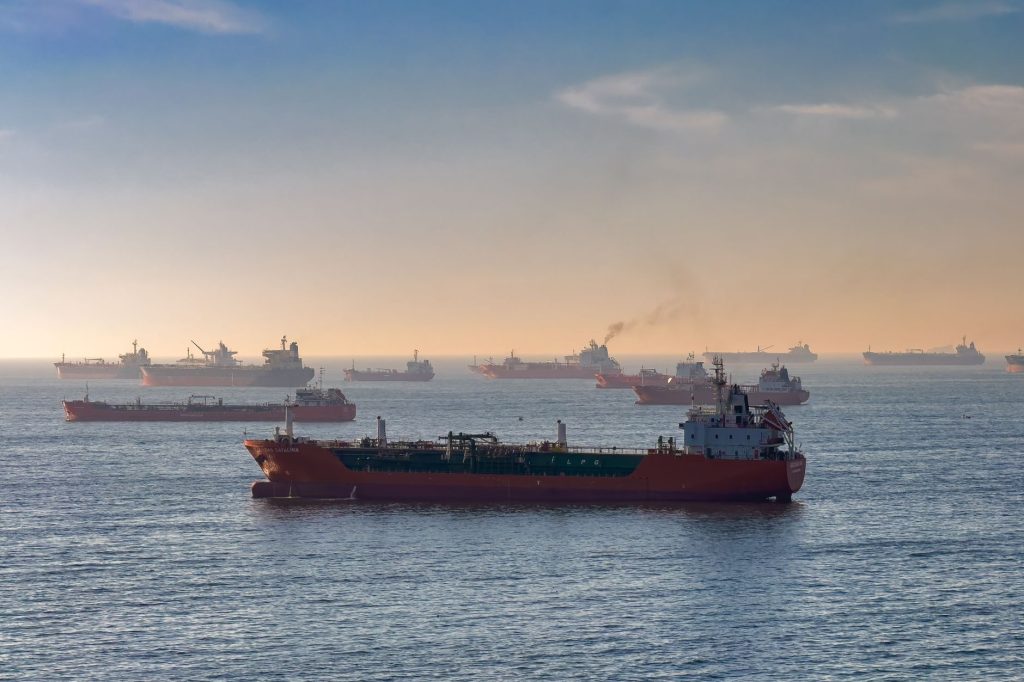
Strait of Hormuz shipping disruptions are affecting global oil prices significantly. Recent tensions in the region have prompted a surge in oil costs, raising concerns among investors and analysts alike.
Understanding the Strait of Hormuz’s Importance
The Strait of Hormuz is a strategic waterway that plays a crucial role in global trade, particularly in the oil sector. This narrow passage connects the Persian Gulf to the Arabian Sea and is a vital route for approximately 20% of the world’s oil supply. The ongoing Strait of Hormuz shipping disruptions have raised concerns about the stability of energy markets and the potential for rising oil prices.
Several factors contribute to the significance of the Strait of Hormuz:
- Geographical Location: The strait is only 21 miles wide at its narrowest point, making it a chokepoint for maritime traffic.
- Oil Transportation: Major oil-producing countries, including Saudi Arabia and Iran, rely heavily on this route to export crude oil.
- Political Tensions: Ongoing geopolitical conflicts in the region often lead to increased risks of shipping disruptions.
As tensions heighten, the implications for global energy prices and security become more pronounced, emphasizing the need for international cooperation to ensure the safe transit of vessels through this vital corridor.
Recent Events Affecting Oil Prices
Recent events in the Strait of Hormuz have raised concerns among traders and analysts regarding the stability of oil prices. The strategic waterway, through which a significant percentage of the world’s oil supply passes, has witnessed increased tensions, leading to disruptions in shipping operations.
According to reports, oil prices have surged by over $1 amid fears that these Strait of Hormuz shipping disruptions could escalate further. Key developments contributing to this situation include:
- Increased military presence: Both regional and international naval forces have heightened their visibility in response to potential threats.
- Rising geopolitical tensions: Ongoing conflicts involving major oil-producing nations are causing uncertainty in the market.
- Supply chain vulnerabilities: Any incident in the Strait can lead to immediate impacts on global oil transportation.
As a result, investors are closely monitoring the situation, knowing that disruptions in this critical passageway could have far-reaching effects on oil supply and prices worldwide.
Impact of Russia Tensions on Shipping
The ongoing tensions involving Russia have significantly influenced shipping dynamics within the Strait of Hormuz. As one of the world’s most critical maritime chokepoints, disruptions here can lead to substantial economic repercussions globally.
Recent incidents have heightened concerns among shipping companies and oil traders. The potential for escalated confrontations has made vessels traveling through the strait increasingly vulnerable to delays and disruptions. This uncertainty has resulted in:
- Increased Shipping Costs: Ships may face higher insurance premiums and rerouting expenses as they navigate the heightened risk.
- Market Volatility: Oil prices have reacted sharply to news of disruptions, with gains and losses directly linked to geopolitical developments.
- Supply Chain Impacts: Delays in oil transport can ripple through supply chains, affecting industries reliant on timely deliveries.
The potential for further disturbances in the Strait of Hormuz due to Russia tensions continues to loom large, emphasizing the region’s vulnerability. Stakeholders remain on high alert as they monitor the evolving situation, which could lead to greater shipping disruptions in the near future.
Market Reactions to Oil Price Changes
In response to the recent Strait of Hormuz shipping disruptions, the oil market has reacted with notable volatility. Analysts have observed a significant increase in oil prices, as concerns over supply interruptions have heightened. This spike has been attributed to geopolitical tensions and the strategic importance of the Strait, through which a substantial portion of the world’s oil supply is transported.
Market participants are closely monitoring the situation, with many investors adjusting their portfolios to hedge against potential price surges. The instability has led to a rise of over $1 in oil prices, reflecting the market’s apprehension regarding future supply constraints.
Key factors influencing market reactions include:
- Increased demand forecasts: As economies recover, the demand for oil is expected to rise.
- Supply chain vulnerabilities: Disruptions in the Strait can lead to significant delays and increased shipping costs.
- Speculative trading: Traders are capitalizing on the uncertainty, further driving price fluctuations.
Overall, the current situation in the Strait of Hormuz underscores the delicate balance in global oil markets and the potential for rapid changes in pricing due to geopolitical events.
Future Predictions for Oil and Shipping
The future of oil and shipping in the context of the Strait of Hormuz shipping disruptions remains uncertain. Experts predict several potential scenarios that could shape the global market in the coming months.
Firstly, if tensions in the region escalate further, we may witness a significant rise in oil prices. This could lead to:
- Increased volatility: Traders may react sharply to news from the region, leading to unpredictable fluctuations in oil prices.
- Supply chain adjustments: Shipping companies might reroute vessels to avoid the Strait, increasing transit times and costs.
- Investment shifts: Firms may reconsider investments in oil-dependent regions, seeking alternatives to mitigate risks.
Furthermore, the geopolitical landscape could influence alliances and trade agreements, affecting oil supply dynamics. As nations navigate these complexities, the importance of maintaining a stable shipping environment in the Strait of Hormuz cannot be overstated. The region remains a critical artery for global oil transportation, and any disruptions could have wide-ranging repercussions for economies around the world.
As the situation evolves, stakeholders must stay vigilant and prepared for the implications of ongoing tensions.
The ongoing Strait of Hormuz shipping disruptions have raised concerns about global oil supply and pricing volatility. Analysts suggest that these disruptions could lead to long-term changes in shipping routes and energy policies worldwide.
Photo by İrfan Simsar on Pexels
