
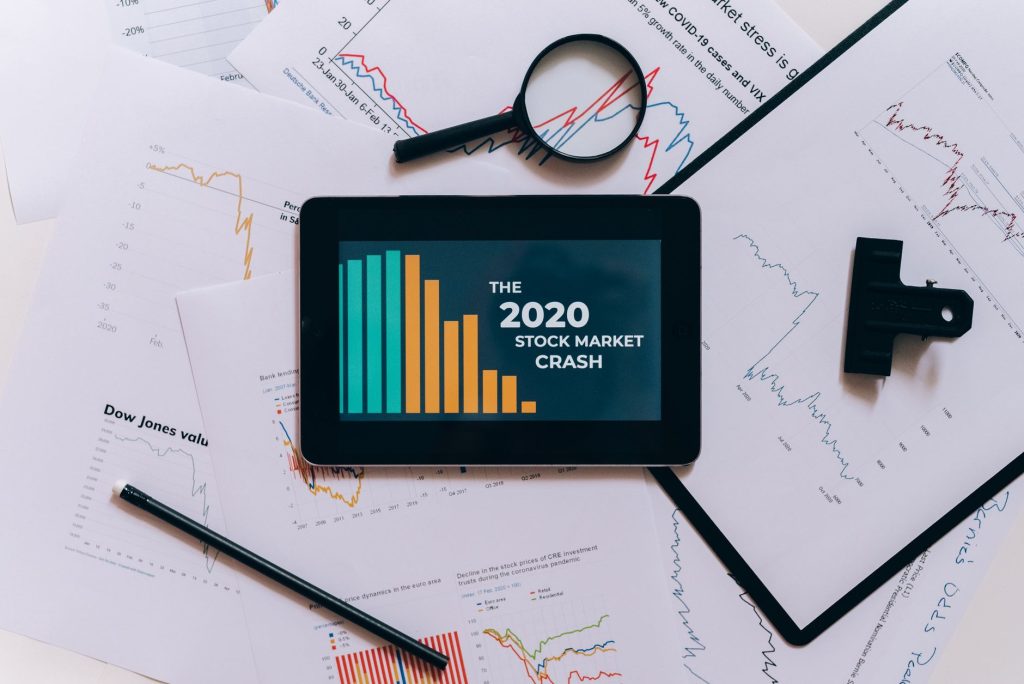
The Sensex market decline was marked by a fall of 319 points, leading to increased concern among investors regarding market stability.
Understanding the Sensex Market Decline
The recent Sensex market decline has left investors reeling, as the index fell by 319 points, marking one of the worst days in recent history. This significant drop has raised concerns among market analysts and investors alike.
Several factors contributed to this downturn:
- Global Economic Trends: International markets showed signs of weakness, impacting investor sentiment in India.
- Corporate Earnings Reports: Disappointing earnings from major companies led to a lack of confidence in the market’s future performance.
- Inflation Concerns: Rising inflation has prompted fears of increased interest rates, causing investors to pull back.
As a result, the Nifty index also slipped below the critical threshold of 25,150, further indicating a challenging environment for investors. With uncertainty looming, many are now reassessing their portfolios and strategies in light of the ongoing volatility.
In conclusion, understanding the factors driving the Sensex market decline is crucial for investors looking to navigate these turbulent times.
Factors Contributing to Today’s Market Drop
Today’s significant decline in the Sensex market can be attributed to a combination of factors that have unsettled investors. Analysts have pointed out several key reasons behind this downturn.
- Global Economic Concerns: A slowdown in major economies has raised fears about the sustainability of growth, which has led to decreased investor confidence.
- Rising Inflation Rates: Persistent inflation has prompted speculation around interest rate hikes, impacting market sentiment negatively.
- Geopolitical Tensions: Ongoing conflicts in various regions continue to create uncertainty, leading to increased volatility in market performance.
- Corporate Earnings Reports: Disappointing earnings from several key companies have contributed to the Sensex market decline, as investors reassess their positions.
- Foreign Institutional Investors (FIIs): A withdrawal of funds by FIIs has further exacerbated the market’s downward movement, signaling a lack of confidence in the current economic environment.
As these factors converge, many investors are left grappling with the implications of today’s market drop and seeking strategies to navigate the turbulent financial landscape.
Expert Opinions on the Nifty’s Performance
As the Sensex market decline continues to shake investor confidence, experts offer their insights into the Nifty’s recent performance. The Nifty index has seen significant fluctuations, prompting analysts to assess the underlying causes and future implications.
Dr. Aditi Sharma, a leading market analyst, notes: “Today’s drop is reflective of broader economic concerns, particularly with the ongoing inflationary pressures. The Nifty slipping below the crucial 25,150 mark is a clear signal that investors should brace for potential volatility.”
Rajesh Kumar, a financial strategist, highlights: “The Sensex market decline is not just a one-off event; it is indicative of a longer trend influenced by both domestic and global factors. Investors need to be vigilant and consider diversifying their portfolios.”
In addition, Meena Patil, an investment advisor, advises: “For those looking to enter the market, the current downturn may present buying opportunities, but caution is essential. Understanding the market dynamics can help mitigate risks.”
As the situation evolves, the consensus remains that careful analysis and strategic planning will be vital for navigating the volatile landscape.
What Investors Should Know About Market Fluctuations
The recent Sensex market decline has left many investors feeling anxious and uncertain about their financial strategies. In periods of significant market fluctuations, it is crucial for investors to stay informed and adopt a proactive approach. Here are some key points to consider:
- Market Cycles: Understanding that markets go through cycles can help investors maintain perspective. Historical data shows that declines are often followed by recoveries.
- Diversification: A well-diversified portfolio can mitigate risks associated with sudden market drops. Spreading investments across various sectors helps buffer against volatility.
- Investment Horizon: Long-term investors may find that short-term declines are less impactful on their overall goals. Staying focused on long-term objectives can prevent impulsive decisions.
- Research and Analysis: Monitoring economic indicators and company performances is vital. Investors should remain updated on news that could affect market conditions.
- Emotional Resilience: Often, emotional reactions to market declines can lead to poor investment choices. Developing a disciplined investment strategy can help counteract these impulses.
In uncertain times, informed and thoughtful decision-making can make a significant difference for investors navigating the turbulent waters of the stock market.
Future Predictions for the Sensex and Nifty
The recent Sensex market decline has raised concerns among investors about the future trajectory of both the Sensex and Nifty indices. Market analysts have differing views, but many predict a cautious outlook for the coming weeks.
Key factors influencing future predictions include:
- Global Economic Trends: Economic recovery in major markets may impact investor confidence and trading volumes.
- Domestic Policy Changes: Upcoming government policies could either bolster or hinder market recovery.
- Corporate Earnings Reports: The performance of major companies in upcoming earnings seasons will play a crucial role in setting market sentiment.
- Interest Rate Decisions: Any changes by central banks regarding interest rates could sway investor behavior significantly.
As investors brace for potential volatility, experts recommend a diversified portfolio to mitigate risks. They emphasize the importance of staying informed about both domestic and international economic indicators. With uncertainty prevailing, many are urged to exercise caution while navigating the current market landscape.
How to Navigate Market Uncertainty
As the Sensex market decline continues to alarm investors, navigating this period of uncertainty becomes crucial. Here are some strategies to help you make informed decisions during these volatile times:
- Stay Informed: Regularly follow market trends and news to understand the factors influencing the decline. Knowledge is power, especially in a fluctuating environment.
- Diversify Your Portfolio: Consider spreading your investments across different asset classes to mitigate risks. This can provide a buffer against market downturns.
- Focus on Long-Term Goals: Resist the urge to react impulsively to short-term market movements. Maintaining a long-term perspective can help you ride out fluctuations.
- Consult Financial Advisors: Professional guidance can be invaluable. Advisors can offer tailored advice based on your financial situation and risk tolerance.
- Consider Value Investing: Look for fundamentally strong stocks that may be undervalued during this market decline. These stocks could offer good opportunities for growth in the future.
By employing these strategies, investors can better navigate the current uncertainties in the market and make sound decisions despite the Sensex market decline.
Photo by Leeloo The First on Pexels
Sources
RBI Repo Rate Hike: The Right Move for Inflation Control · Strait of Hormuz shipping disruptions: What are the real impacts? · Infosys Science Foundation prizes: Best researchers honored!
