
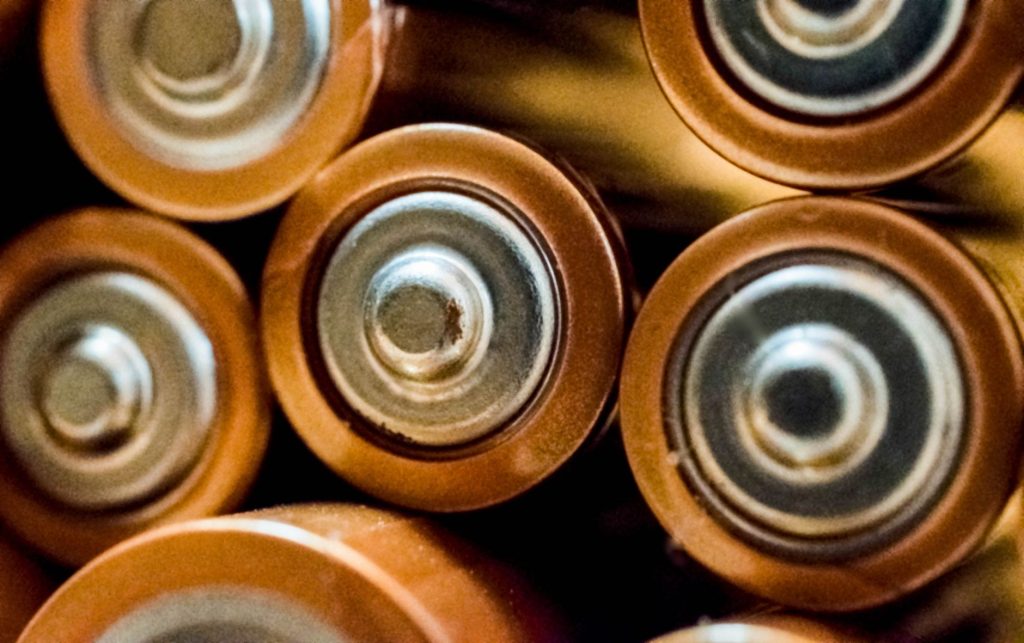
Battery energy storage is currently facing a viability wall in India, complicating the nation’s ambitious energy transition plans.
The Current State of Battery Energy Storage
The current state of battery energy storage in India is facing significant challenges as the sector grapples with viability issues. Despite the government’s push for renewable energy and storage solutions, several factors are impeding progress.
Key challenges include:
- High Costs: The initial investment required for battery energy storage systems remains prohibitively expensive for many stakeholders.
- Lack of Infrastructure: Insufficient charging and distribution infrastructure hampers the deployment of battery storage technologies.
- Regulatory Hurdles: Complex regulations and policies can slow down the development and implementation of storage projects.
- Market Uncertainty: Fluctuating prices of raw materials, such as lithium and cobalt, contribute to the unpredictability of the market.
As these challenges persist, the viability of battery energy storage solutions remains uncertain. Stakeholders are calling for comprehensive strategies to address these issues and unlock the potential of this essential technology.
Challenges Facing India’s Energy Storage Initiative
India’s ambitious battery energy storage initiative faces significant challenges that could hinder its progress. As the country aims to enhance its renewable energy capacity, several factors contribute to the viability concerns surrounding this critical technology.
- High Initial Costs: The upfront investment required for battery energy storage systems remains a major barrier. Despite potential long-term savings, the financial burden can deter stakeholders from committing.
- Technological Limitations: Current battery technologies may not meet the required efficiency and longevity standards needed for large-scale deployment. Improvements in energy density and cycle life are essential for widespread adoption.
- Policy and Regulatory Hurdles: A lack of clear policies and supportive regulations can stifle innovation and investment. Streamlining these frameworks is crucial to foster a favorable environment for battery energy storage solutions.
- Market Competition: The growing competition from alternative energy sources may overshadow the battery energy storage market, making it difficult for companies to gain traction.
Addressing these challenges is vital for the future of India’s energy storage landscape.
Future Prospects for Battery Energy Storage
As the global demand for sustainable energy solutions grows, the future prospects for battery energy storage remain uncertain. Experts predict that advancements in technology will play a crucial role in overcoming the current viability challenges.
Several factors could influence the trajectory of battery energy storage, including:
- Technological Innovations: Continuous research and development in battery chemistry and materials may lead to more efficient and cost-effective energy storage solutions.
- Government Policies: Supportive policies and incentives can stimulate investments in energy storage infrastructure, driving down costs and enhancing adoption rates.
- Market Demand: As renewable energy sources expand, the need for reliable battery energy storage systems will likely increase, presenting new business opportunities.
However, achieving these prospects will require collaboration among stakeholders, including governments, businesses, and researchers. The path forward is complex, but with a focused effort on innovation and policy support, battery energy storage could evolve into a viable cornerstone of sustainable energy systems.
Government Policies Impacting Energy Storage
The landscape of battery energy storage in India is significantly influenced by government policies, which can either bolster or hinder the progress of this crucial sector. As the country aims to enhance its energy storage capacities, several key policies have emerged, shaping the viability of battery solutions.
One of the primary initiatives is the **National Energy Storage Mission**, which seeks to promote research and development while providing financial incentives for battery production. However, challenges remain in aligning state-level regulations with national goals.
- Incentives for manufacturers: The government has introduced tax breaks and subsidies to encourage local production of battery energy storage systems.
- Import duties: High import duties on battery components can hinder the affordability of energy storage technologies, affecting their market penetration.
- Regulatory frameworks: Lack of clear guidelines regarding grid integration and safety standards creates uncertainty for investors.
Addressing these policy challenges is essential for the sustainability and growth of India’s battery energy storage sector, particularly as it faces the worst viability challenges ahead.
Photo by Hilary Halliwell on Pexels
